Everyone deserves to move with control
Living with a movement disorder can affect every part of daily life. At Vima, we believe now is the time to advance new treatments that target the underlying cause of disease and are designed to impact the lives of people living with dystonia and related movement disorders.
Our commitment
There are limited treatment options for many people living with movement disorders. We’re committed to working with the community to deliver an oral treatment designed to target underlying biology and help patients improve control of their movement, leading to a more normal life.
What is dystonia?
Dystonia is the third most common movement disorder. It is a chronic, disabling condition characterized by involuntary muscle contractions in one or more parts of the body. Dystonia shares underlying biology and changes in brain network activity with other movement disorders including Parkinson’s disease.
What is Parkinson's disease?
Parkinson’s disease is a movement disorder caused by loss of neurons in the brain that produce the neurotransmitter dopamine. Parkinson’s is characterized by a spectrum of symptoms including loss of motor control. Common movement symptoms of Parkinson’s disease include tremor, slowness, rigidity, postural and gait issues. Despite multiple approved therapies for Parkinson’s disease, many patients still have symptoms that impact daily life.
Real stories from people living with dystonia

Meet Ben, 16, who struggled with a movement disorder for four years until he was diagnosed with dystonia. Ben describes the impact dystonia has had on his life as a teenager and his thoughts for the future.


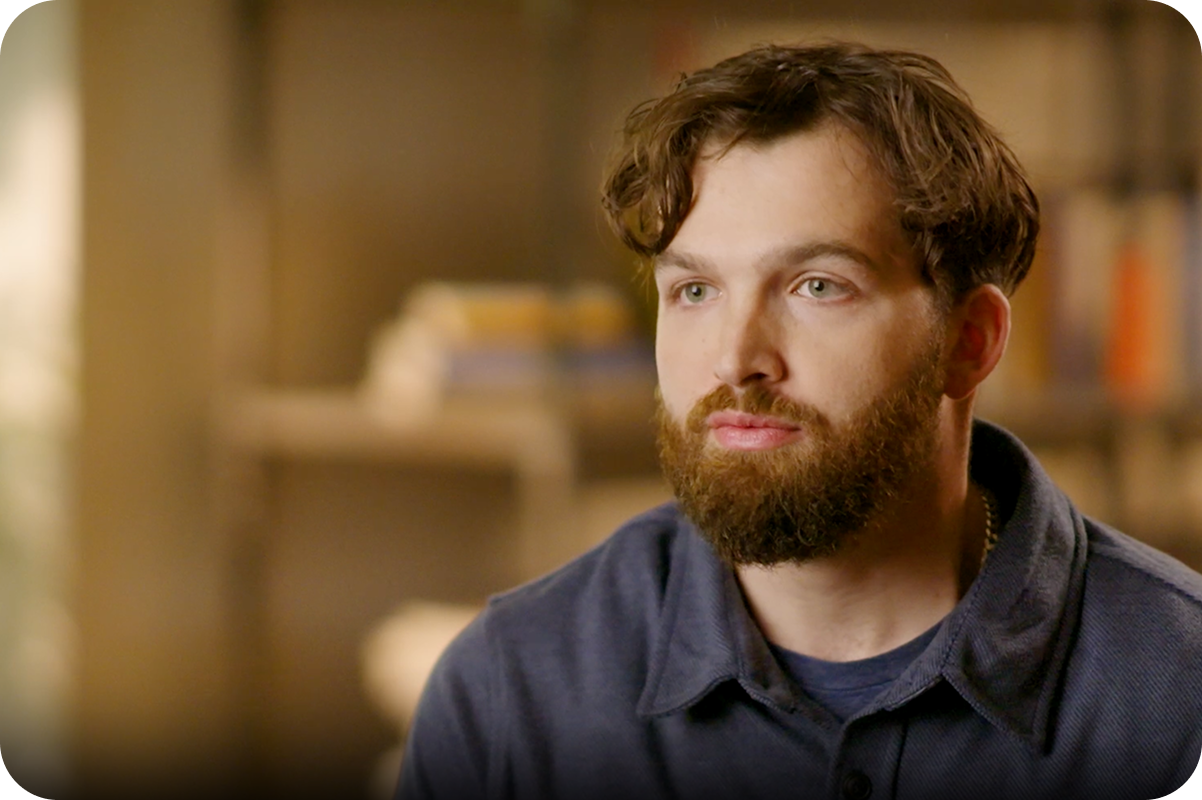
Meet Jack, 30, who describes his journey to diagnosis of dystonia and the progression of his symptoms along the way.

Learn about a clinical study for dystonia
We’re taking a targeted approach to address the underlying cause of dystonia by advancing a potential first-in-class oral therapy for isolated dystonia, where dystonia is the primary neurological symptom. Isolated dystonia affects more than 160,000 adults and children in the United States.

Resources for dystonia and Parkinson's disease
Get more information and find support and resources from the organizations below:
Get our latest news
Updates about our research and other communications can be found here.